Breaking Down 14 Misconceptions About Great White Sharks You Need to Know
- Jesse Calloway

- Jun 23
- 3 min read
Great white sharks have fascinated and terrified people for centuries. Movies, documentaries, and popular culture often paint them as ruthless man-eaters lurking just beneath the surface. But many of these ideas are far from the truth. Understanding the real nature of great white sharks helps us appreciate their role in the ocean ecosystem and dispels unnecessary fear.
This post will bust 14 common myths about great white sharks, revealing facts that might surprise you.
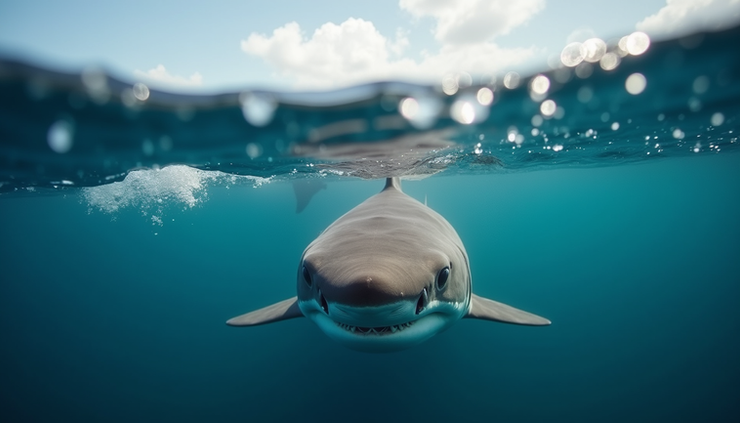
1. Great White Sharks Are Mindless Killers
Many people believe great white sharks attack anything that moves without reason. In reality, these sharks are intelligent predators that carefully choose their prey. They use stealth and strategy rather than reckless aggression. Most attacks on humans are cases of mistaken identity, where the shark confuses a swimmer or surfer for a seal.
2. Great White Sharks Constantly Hunt Humans
Despite their fearsome reputation, great white sharks do not hunt humans. Attacks are rare and usually accidental. Humans are not part of their natural diet, which mainly consists of seals, sea lions, and fish. Sharks often bite once and then retreat after realizing the prey is not what they expected.
3. Great White Sharks Are Always Huge
While great whites can grow over 20 feet long, most adults range between 11 and 16 feet. Juveniles are much smaller. Size varies by age, sex, and region. The idea that every great white is a giant monster is exaggerated.
4. Great White Sharks Are Cold-Blooded
Unlike most fish, great white sharks are partially warm-blooded. They can regulate their body temperature to stay warmer than the surrounding water. This adaptation helps them swim faster and hunt more efficiently in cooler ocean regions.
5. Great White Sharks Can Smell a Drop of Blood Miles Away
Great whites have an excellent sense of smell, but the claim that they detect a single drop of blood from miles away is an exaggeration. They can detect blood concentrations as low as one part per million, which helps them locate injured prey nearby, but this ability has limits.
6. Great White Sharks Are Solitary and Aggressive
Great whites are often described as lone hunters, but they sometimes gather in groups, especially around rich feeding grounds. They show social behaviors such as dominance hierarchies and communication through body language. Their interactions are more complex than simple aggression.
7. Great White Sharks Are Indestructible
Despite their power, great whites face threats from fishing, habitat loss, and pollution. They are vulnerable to injury and disease. Their populations have declined in some areas due to human activity, making conservation efforts critical.
8. Great White Sharks Can Bite Through Anything
Great whites have one of the strongest bite forces in the animal kingdom, capable of crushing bones and shells. However, they do not bite through everything indiscriminately. Their teeth are designed to tear flesh, not to destroy hard objects like metal or thick plastic.
9. Great White Sharks Are Mindless Eating Machines
Great whites show curiosity and problem-solving skills. They sometimes test unfamiliar objects with gentle bites before deciding whether to eat them. This behavior indicates a level of intelligence and caution, not mindless feeding.
10. Great White Sharks Are Always Near the Shore
While great whites can come close to shorelines, especially where seals gather, they spend much of their time in open ocean waters. They migrate long distances across oceans, sometimes traveling thousands of miles between feeding and breeding areas.
11. Great White Sharks Are the Largest Sharks
The great white is large but not the largest shark species. The whale shark holds that title, growing up to 40 feet or more. Whale sharks are filter feeders and pose no threat to humans, unlike the predatory great white.
12. Great White Sharks Are Not Important to the Ocean
Great whites play a vital role as apex predators. They help maintain the balance of marine ecosystems by controlling populations of seals and other prey. Removing them can cause ripple effects that harm ocean health.
13. Great White Sharks Are Easy to Spot
Despite their size, great whites are masters of camouflage. Their coloring helps them blend with the ocean depths when viewed from above or below. This makes spotting them difficult, even for experienced divers.
14. Great White Sharks Are Dangerous to Swim With
Swimming with great whites is risky, but not impossible under controlled conditions. Many shark cage diving tours allow people to observe these animals safely. Respecting their space and behavior reduces the chance of incidents.
Great white sharks are often misunderstood creatures. Separating fact from fiction helps us appreciate their true nature and the important role they play in the ocean. Next time you hear a myth about these sharks, remember the real story behind the fearsome reputation.



Comments